Most viewed posts
Discover the most popular resources.

Who We Are
Global Safety Solutions: Transforming Safety into a Strategic Advantage
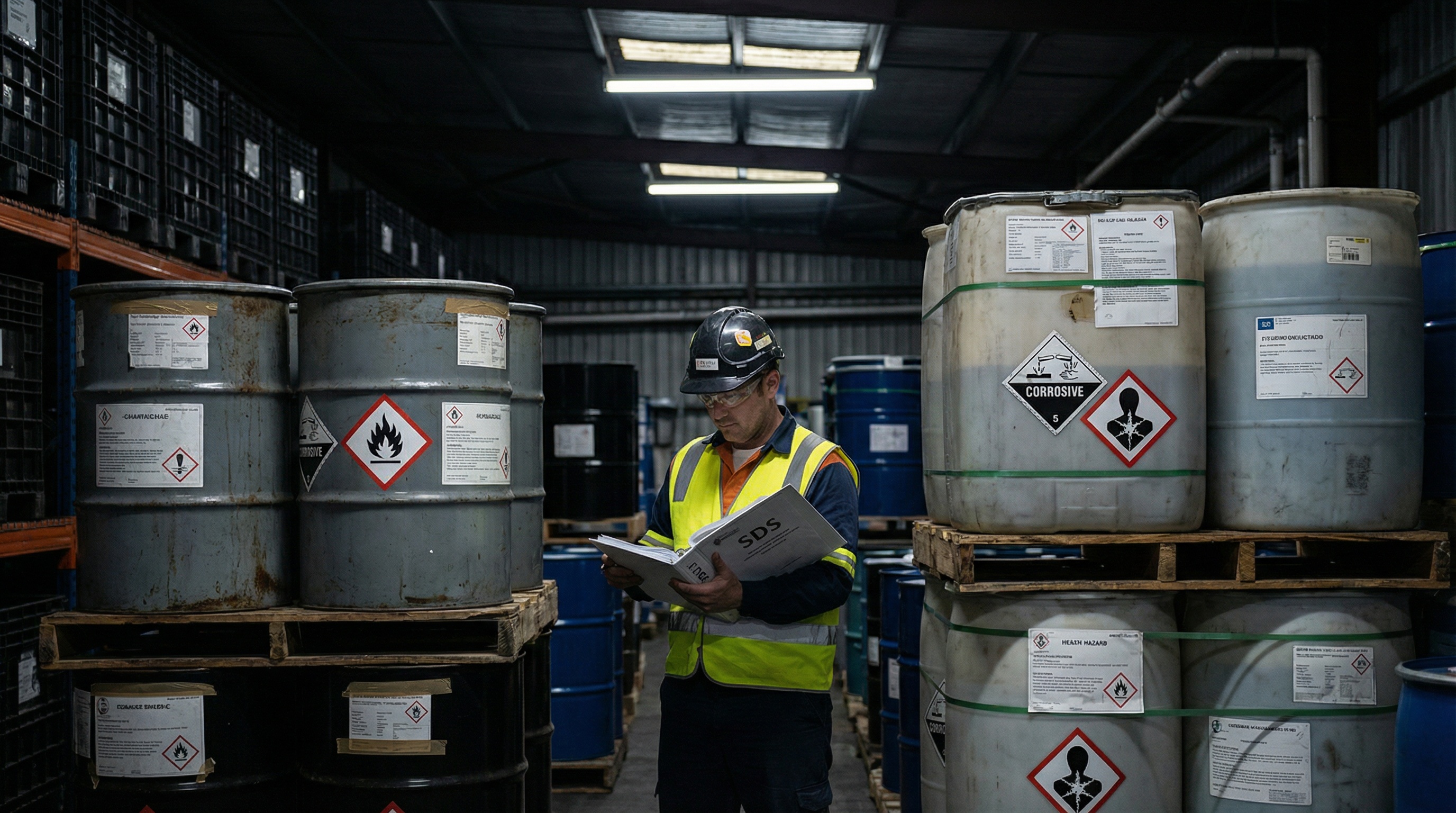
Understanding OSHA’s Hazard Communication Standard (HCS): A Complete Guide to Chemical Safety in the Workplace
In any workplace where hazardous chemicals are used, employee safety must be a top priority. The Hazard Communication Standard (HCS), also known as "HazCom," is one of the most critical regulations enforced by the Occupational Safety and Health Administration (OSHA) in the U.S. Its purpose is to ensure workers are informed about chemical hazards and know how to protect themselves.

Industrial Process Safety and Task Risk Analysis (TRA/JHA)
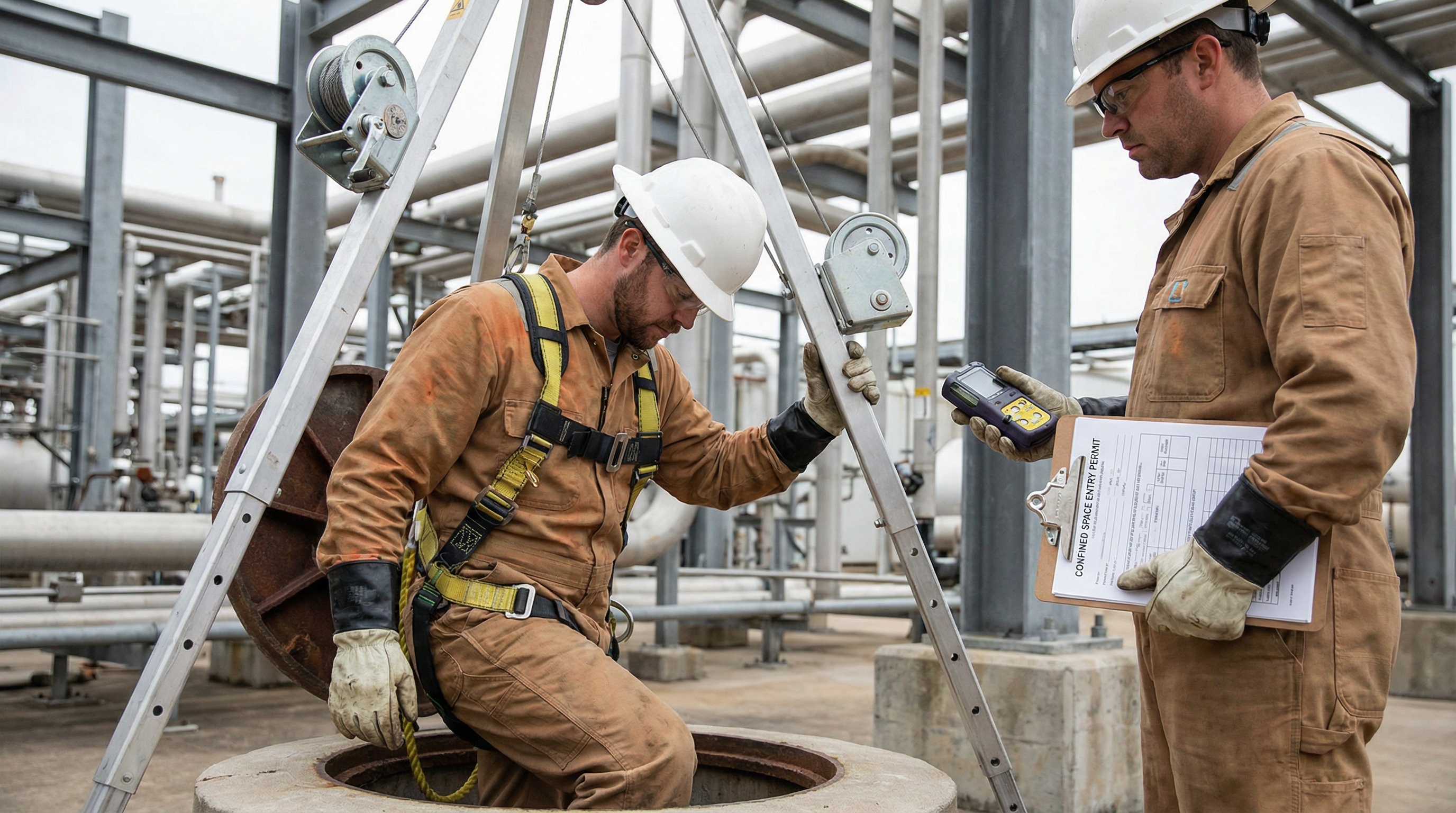
Confined Spaces and OSHA: What Everyone Should Know
OSHA’s confined space regulation establishes standards to protect workers in areas with limited access, hazardous atmospheres, or physical dangers. It defines confined spaces as areas not designed for continuous occupancy such as tanks or silo and requires permits, training, oxygen and gas monitoring, proper ventilation, and rescue plans. These measures aim to prevent accidents and ensure a safe working environment

When Safety Fails in Silence: The Hidden Risk of Lagging Indicators
Lagging indicators, leading indicators, TRIR, process safety, CCPS metrics, risk management, critical controls.

CCPS Second Pillar: Understanding Hazards and Risks in Industrial Processes
Within the framework of Process Safety Management (PSM), the second pillar defined by the Center for Chemical Process Safety (CCPS) “Understand Hazards and Risk” constitutes the technical foundation for preventing major incidents. This pillar not only requires identifying hazards, but also understanding their dynamics, magnitude, and likelihood of occurrence within complex systems
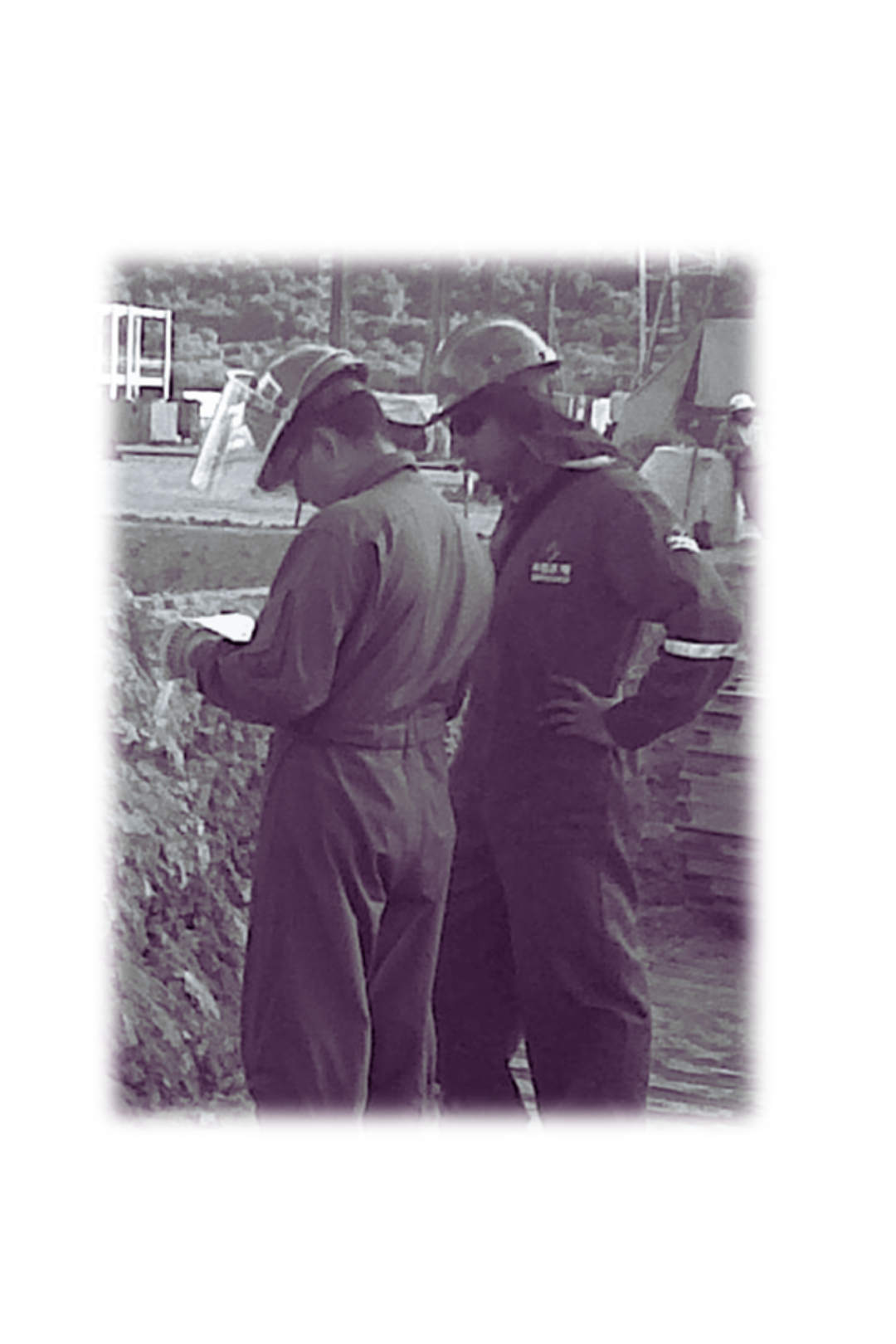
Safety Management Systems
The effectiveness of any safety intervention can be tied to two main aspects of the overall safety program: the existence of a safety management system and an organizational culture that is supportive of the safety efforts. The Occupational Safety and Health Administration (OSHA) defines a safety management system as being comprised of four areas, all of which are necessary for a safety and health program to be effective in meeting its goals and objectives
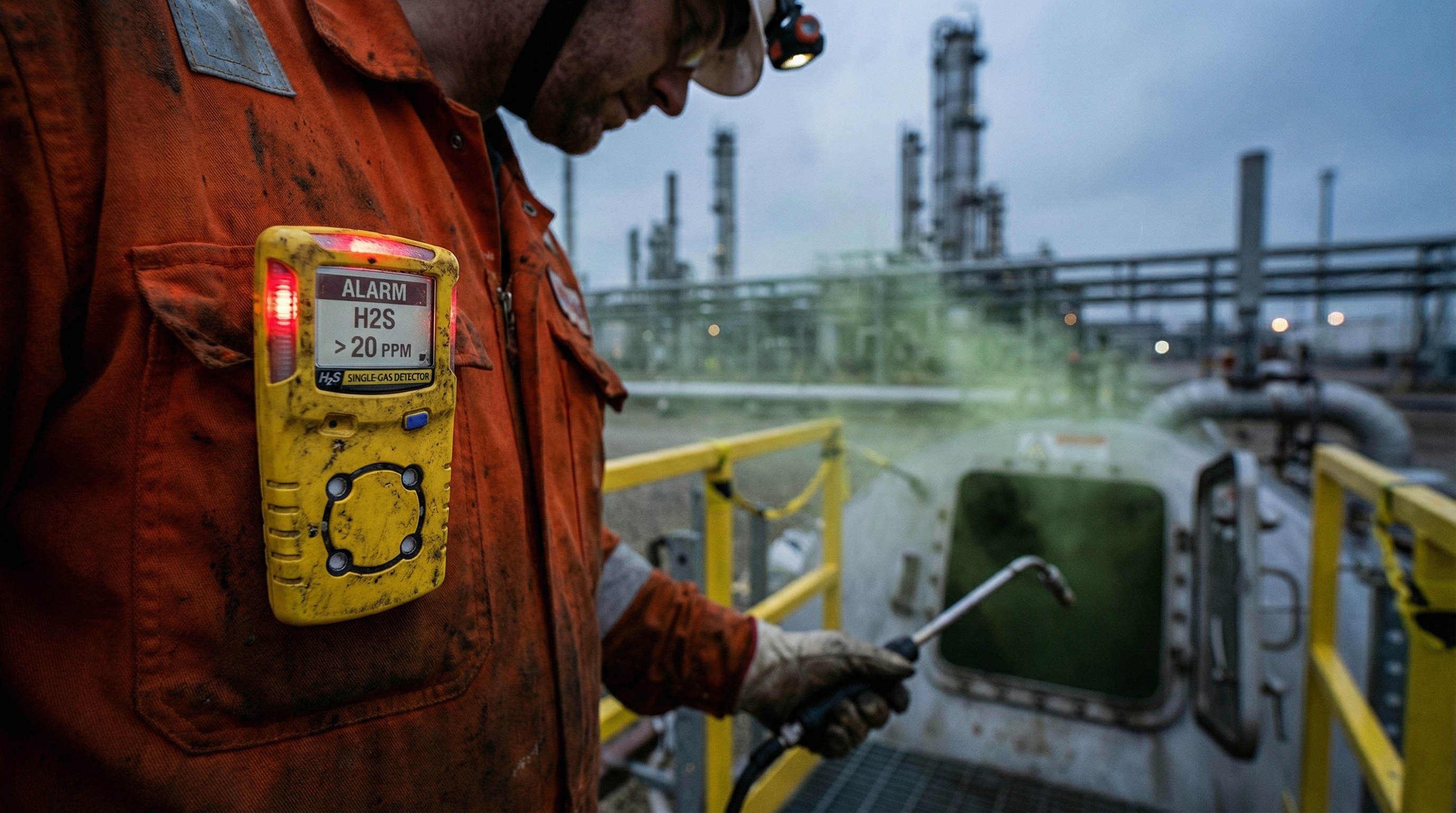
The importance of understanding the hazards of H₂S and assessing its risks in industrial process safety

Why Geodesic Domes Are an Engineering Marvel
When most people see a geodesic dome, they think of a futuristic greenhouse or a science fair project. When I analyze it as a petroleum engineer, I see the same principles we use to withstand extreme forces at the bottom of a wellbore or on an offshore platform in open sea conditions.
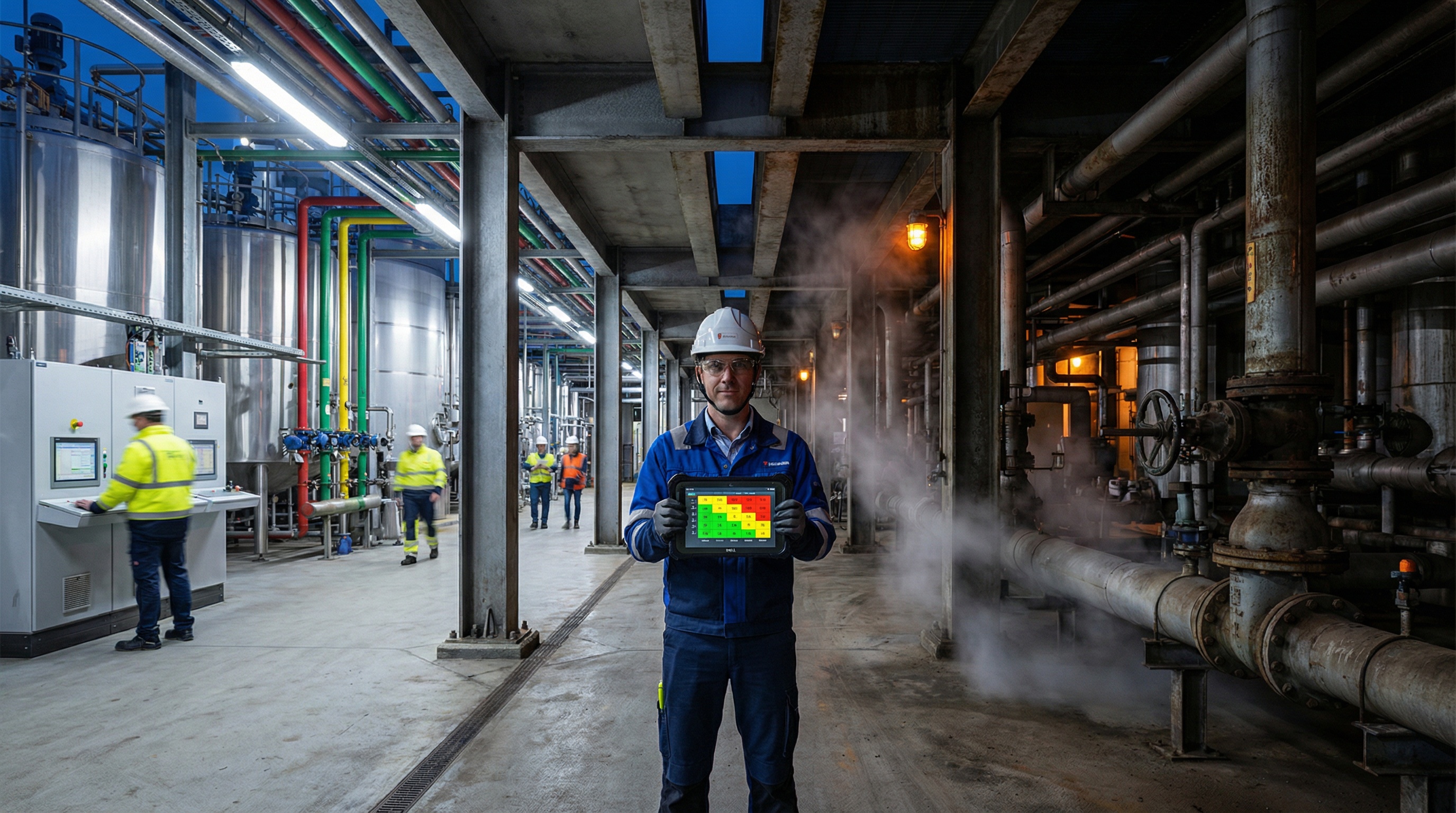
Are your industrial processes truly protected?
Discover the hidden risks and how to mitigate them